Does a Watch Need Cleaning? A Simple Guide to Watch Care
September 22, 2026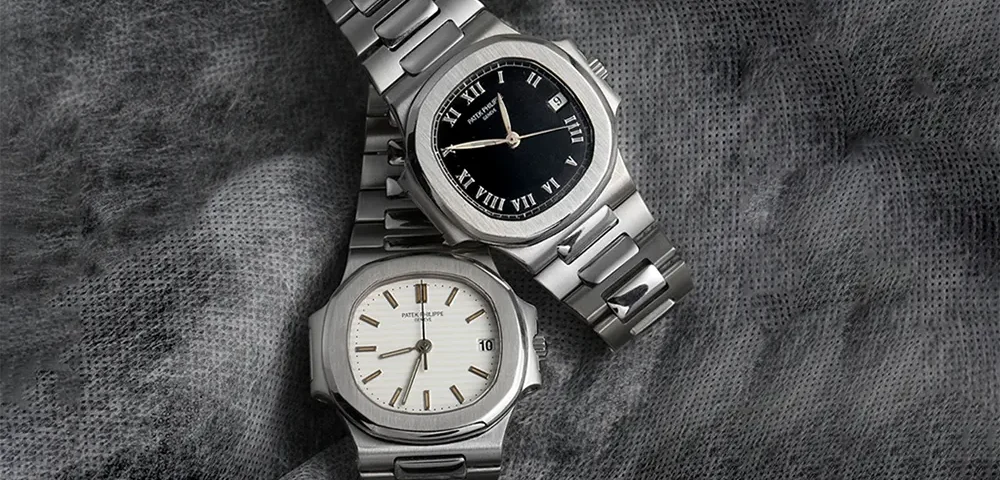
A luxury watch can cost hundreds, thousands, or even far more. This naturally leads to one simple question: what makes a luxury watch worth the price?
The answer is not just the logo on the dial. A high price can come from craftsmanship, materials, movement quality, design, brand history, and long-term value. Of course, not every expensive watch is automatically worth buying. The real value depends on what you expect from it.
What Makes a Luxury Watch Different?
One of the biggest differences is the amount of work behind the watch.
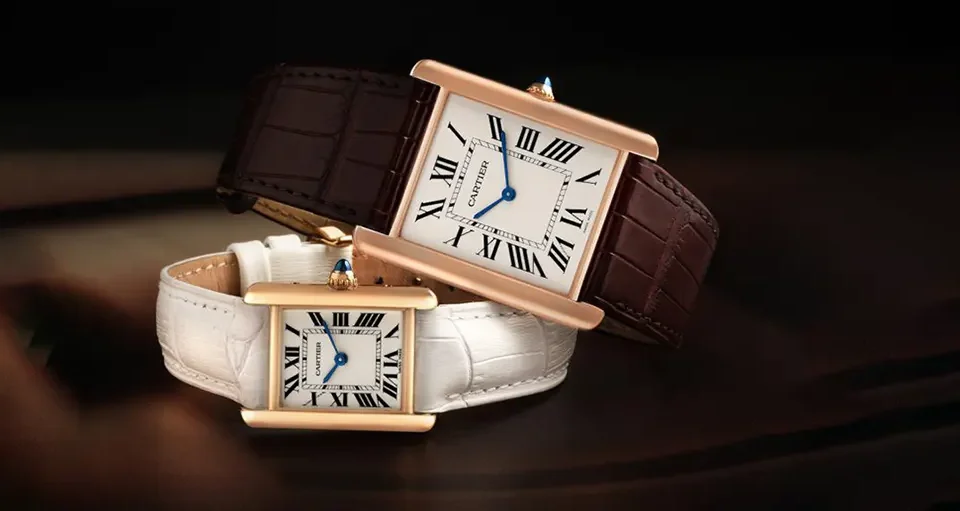
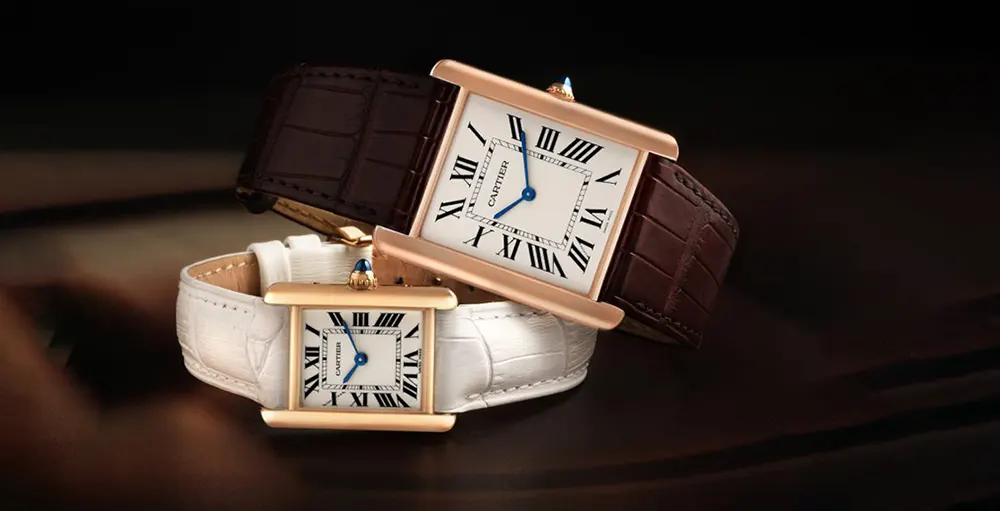
Many luxury watches are made with a high level of attention to detail. The case may be carefully polished by hand. The dial can have small details that are difficult to notice in photos. Even the bracelet and clasp may take a long time to design and finish.
A cheaper watch can still tell time perfectly. That is not really the point.
A luxury watch is often about how the product is made and how it feels to wear. When you hold a well-made watch, you may notice the weight, the smooth movement of the crown, or the way the bracelet sits on your wrist.
These small details are part of what makes a luxury watch worth the price.
Why Does the Movement Matter?
The movement is often one of the most important parts of a luxury watch.
Some watches use simple quartz movements, while others use mechanical or automatic movements. A mechanical movement can contain many small parts working together to keep time.
In higher-end watches, these parts may also be decorated and finished by hand.
For example, the movement may not always be visible while wearing the watch. Still, many collectors appreciate knowing that there is a carefully made mechanism inside.
This is one reason why luxury watch craftsmanship matters. The value is not only on the outside.
Are Better Materials Worth Paying More For?
Materials also play a major role in luxury watch pricing.
A watch made from stainless steel, sapphire crystal, ceramic, gold, or platinum will usually cost more than one made from basic materials. However, the material itself is only part of the story.
Sapphire crystal, for example, is popular because it is highly resistant to scratches. Precious metals add value because of their cost, but they also change the look and feel of a watch.
Then there is finishing.
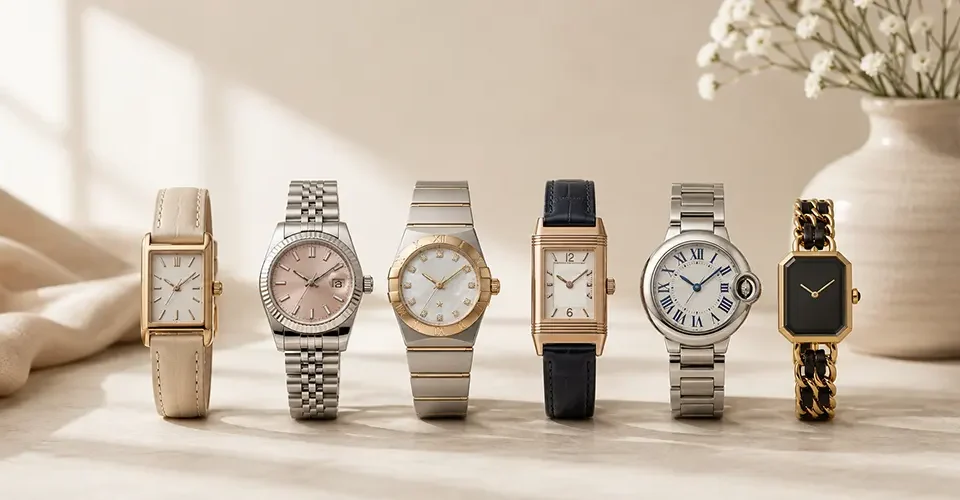
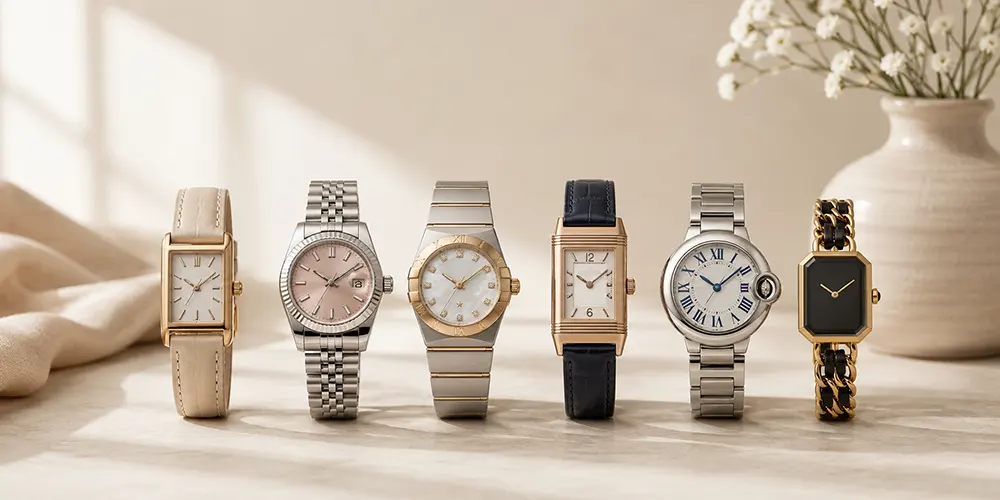
Two steel watches can look completely different depending on how the surfaces are polished, brushed, and shaped. This is where price differences can become easier to understand.
How Much Does the Brand Matter?
Brand name definitely affects the price of a luxury watch.
Well-known brands often have decades or even centuries of history. They may be connected with famous designs, important inventions, sports, or cultural moments.
That history has value to many buyers.
At the same time, a famous logo should not be the only reason to buy a watch. A good question to ask is: Would I still like this watch if the brand name was less visible?
If the answer is yes, the watch may offer more personal value.
Can a Luxury Watch Hold Its Value?
Some luxury watches can retain their value better than others. Certain models may even increase in price over time.
However, buying a luxury watch purely as an investment can be risky.
The resale value depends on many things, including the model, condition, rarity, market demand, and original box and papers. Trends can also change.
For most buyers, it makes more sense to see resale value as a bonus rather than the main reason to buy.
So, What Makes a Luxury Watch Worth the Price?
Ultimately, what makes a luxury watch worth the price depends on more than one factor. Quality, craftsmanship, movement, materials, design, brand history, and personal enjoyment all play a part.
The best luxury watch is not necessarily the most expensive one.
A watch can be worth the price when you understand what you are paying for and genuinely enjoy owning it. After all, a good luxury watch is more than a way to check the time. It is something you may wear for years, collect, and perhaps even pass on to someone else.